Wait a few moments ...


fig
almonds
charcoal
Dates
Saffron
Barberry
synthetic polymers
Iranian Handicrafts
Masterbatch – The Key to Producing High-Quality Plastic Products
2025-12-1350
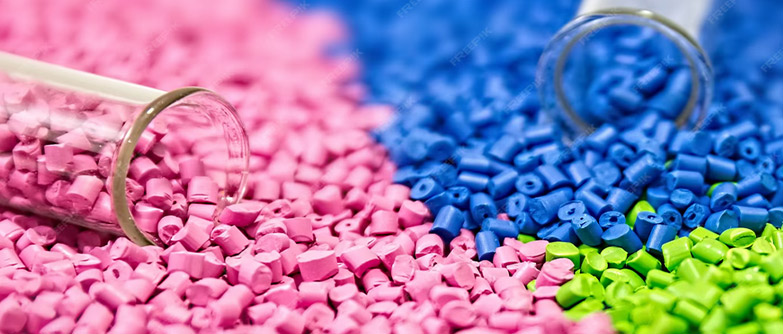
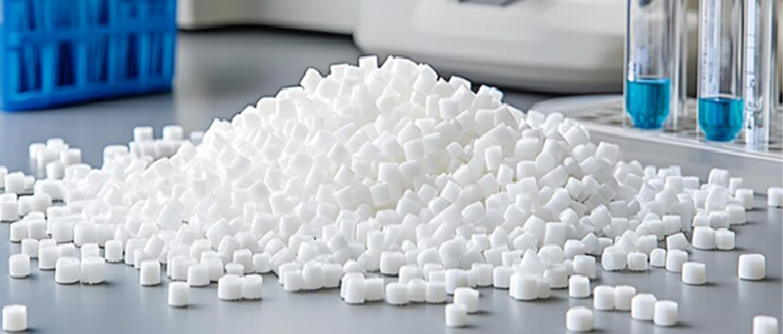
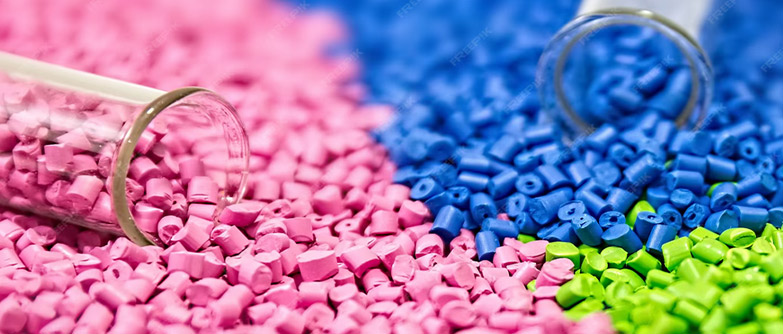
Masterbatch – The Key to Producing High-Quality Plastic ProductsMasterbatch is a concentrated polymer additive used for coloring plastics (color masterbatch) or enhancing their properties (additive masterbatch). Available in granular or liquid form, it provides an economical and precise solution for producing high-quality plastic products across various industries.Using masterbatch allows manufacturers to reduce issues associated with raw pigments or additives, such as uneven dispersion, material agglomeration, or overuse. This method ensures uniform color, improves mechanical and physical properties, and increases production speed and efficiency.What is Masterbatch?Masterbatch is essentially a concentrated mixture of pigments and/or additives encapsulated in a polymer carrier. For example, if you want to produce a red plastic cup, instead of directly adding red color to the polymer, you use a red masterbatch to ensure uniform coloring and guarantee the final product’s quality.Masterbatch can also include functional additives that enhance the plastic’s properties, such as UV resistance, flame retardancy, anti-static, antibacterial properties, and more.Main Components of MasterbatchPigments and AdditivesPolymer Carrier (Carrier / Base Resin)Processing AdditivesTypes of MasterbatchBenefits of Using MasterbatchApplications of MasterbatchMasterbatch has widespread applications across industries, including:Masterbatch Production ProcessQuality control at every stage ensures color uniformity, optimal performance, and compliance with international standards.Important Tips for Choosing and Using MasterbatchConclusionMasterbatch is a vital element in the plastics industry, enabling manufacturers to produce higher-quality plastic products with improved performance and appearance. Choosing the right type of masterbatch and collaborating with reputable manufacturers is the key to success in any production process.Follow the recommended mixing ratios, temperature, pressure, and usage methods according to the manufacturer’s instructions.Work with reputable and experienced manufacturers to ensure high quality.Select the masterbatch suitable for the product’s needs (color, physical, and chemical properties).Packaging and storageCooling and granulationExtrusion and shapingMixing and homogenizationPrecise weighing of materialsSelection of raw materials (pigments, additives, and polymer carrier)Agriculture: Producing UV- and environment-resistant plastic films and pipes.Medical and Healthcare: Producing antibacterial and moisture-resistant bottles and plastic components.Textiles and Fibers: Coloring and enhancing synthetic fibers like polyester, nylon, and polypropylene; producing nonwoven fabrics such as masks, wipes, and diapers.Electronics and Electrical: Producing heat-, UV-, and fire-resistant cables and plastic components.Construction: Manufacturing UV- and corrosion-resistant pipes for water, sewage, and gas; UPVC doors and windows; thermal and electrical insulation.Automotive: Coloring and enhancing plastic components in cars, such as dashboards, bumpers, handles, and seat covers.Packaging: Producing films and packaging with transparency, color, and special properties like anti-fog and anti-static.Consistency in mass production: Ensures uniform performance in large-scale production.Compatibility with different polymers: PE, PP, PS, and more.Customization: Various colors and functional additives are available.Improved product quality: Enhances UV resistance, thermal stability, and mechanical strength.Increased production efficiency: High concentration reduces material usage and increases production speed.Uniform dispersion of color and additives: Prevents streaks, spots, or inconsistencies in the final product.Cost savings: Requires smaller amounts compared to raw pigments and additives.Black masterbatch: Produces black plastics while improving UV resistance and conductivity.White masterbatch: Produces bright, white plastics with high coverage economically.Filler masterbatch: Reduces production costs and improves mechanical properties.Additive masterbatch: Enhances the functional properties of plastics.Color masterbatch: Adds a variety of customizable colors to plastics.Includes dispersing agents, lubricants, stabilizers, or clarifiers to improve production processes and product quality.Ensures uniform dispersion of pigments or additives in the final plastic.Acts as the base material and is usually compatible with the final product polymer (e.g., PE, PP, or PS).Filler masterbatch: Uses fillers like calcium carbonate, talc, or glass fibers to reduce cost and improve mechanical properties.Black masterbatch: Contains carbon black for black color, UV resistance, and electrical conductivity.White masterbatch: Contains titanium dioxide (TiO₂) for whiteness and opacity.Additive masterbatch: Improves functional properties such as UV resistance, flame retardancy, anti-slip, antioxidants, and lubricants.Color masterbatch: Provides a variety of colors (glossy, matte, fluorescent).
Articles category